

I have helped a lot of people move to Miami, and I can tell you the Chicago crowd is its own breed. You are not running from a city you hate — most of you love Chicago. You love the food, the lake, the architecture, the people who actually say hello on the elevator. What you are tired of is the math. The property tax bill that keeps climbing. The state income tax. And, let's be honest, five months of gray sky that starts feeling personal by February.
So let's do this the way a good friend who happens to be the best realtor Miami has would do it: with real numbers, no hype, and a clear plan.
The Tax Story Is Real (And Bigger Than You Think)
Illinois has a 4.95% flat state income tax. Florida has none. Zero. If your household earns $300,000, that is roughly $14,850 a year that simply stops leaving your pocket the day you establish Florida residency. Over a decade, that is the down payment on a second property.
Then there is property tax. Cook County carries some of the highest effective property tax rates in the country — frequently north of 2% of assessed value, and reassessments have a habit of surprising people. Florida is more forgiving. Beyond no income tax, Florida's Homestead Exemption knocks up to $50,000 off your taxable value on a primary residence, and the "Save Our Homes" cap limits how much your assessed value can rise each year once you are homesteaded. That cap is the quiet hero of Florida real estate — it protects long-term owners from runaway tax bills.
If you are a business owner, the gap widens further. As I covered in my article "Why Smart Miami Business Owners Are Building Wealth Through Real Estate in 2026," relocating an LLC or S-corp to Florida can reshape your entire tax picture — not just personal income, but how you hold and grow real estate assets. Talk to your CPA before you list your Chicago home, not after.
What Your Money Actually Buys in Miami
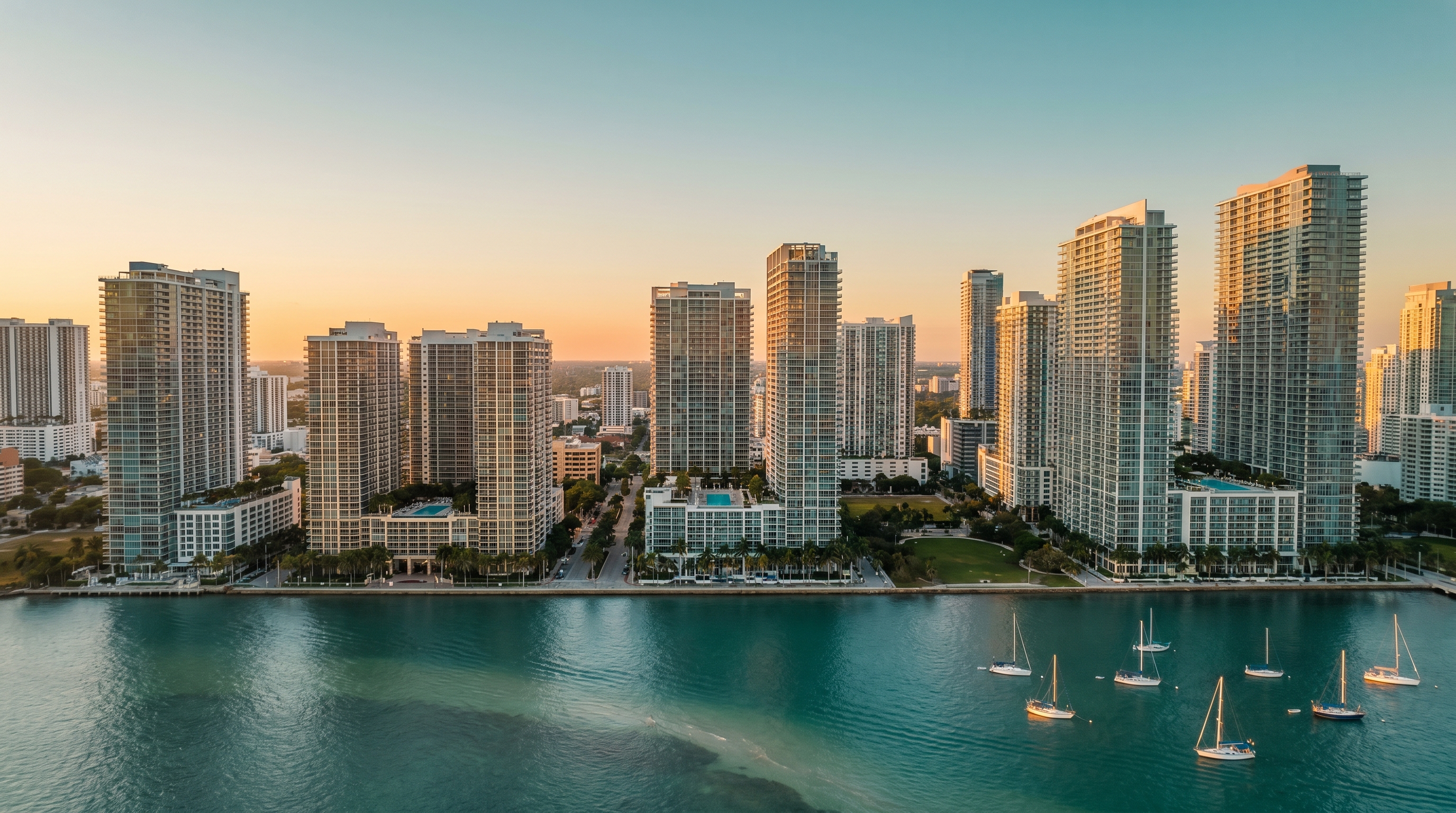
Here is where Chicagoans get pleasantly surprised. The median condo sale price across Miami-Dade is $450,000, up a modest 1.12% year-over-year. That is right in line with — and in many cases below — what a comparable unit costs in River North or Streeterville. The difference is you trade a lake view for an ocean, and you trade a property tax bill for, well, no income tax at all.
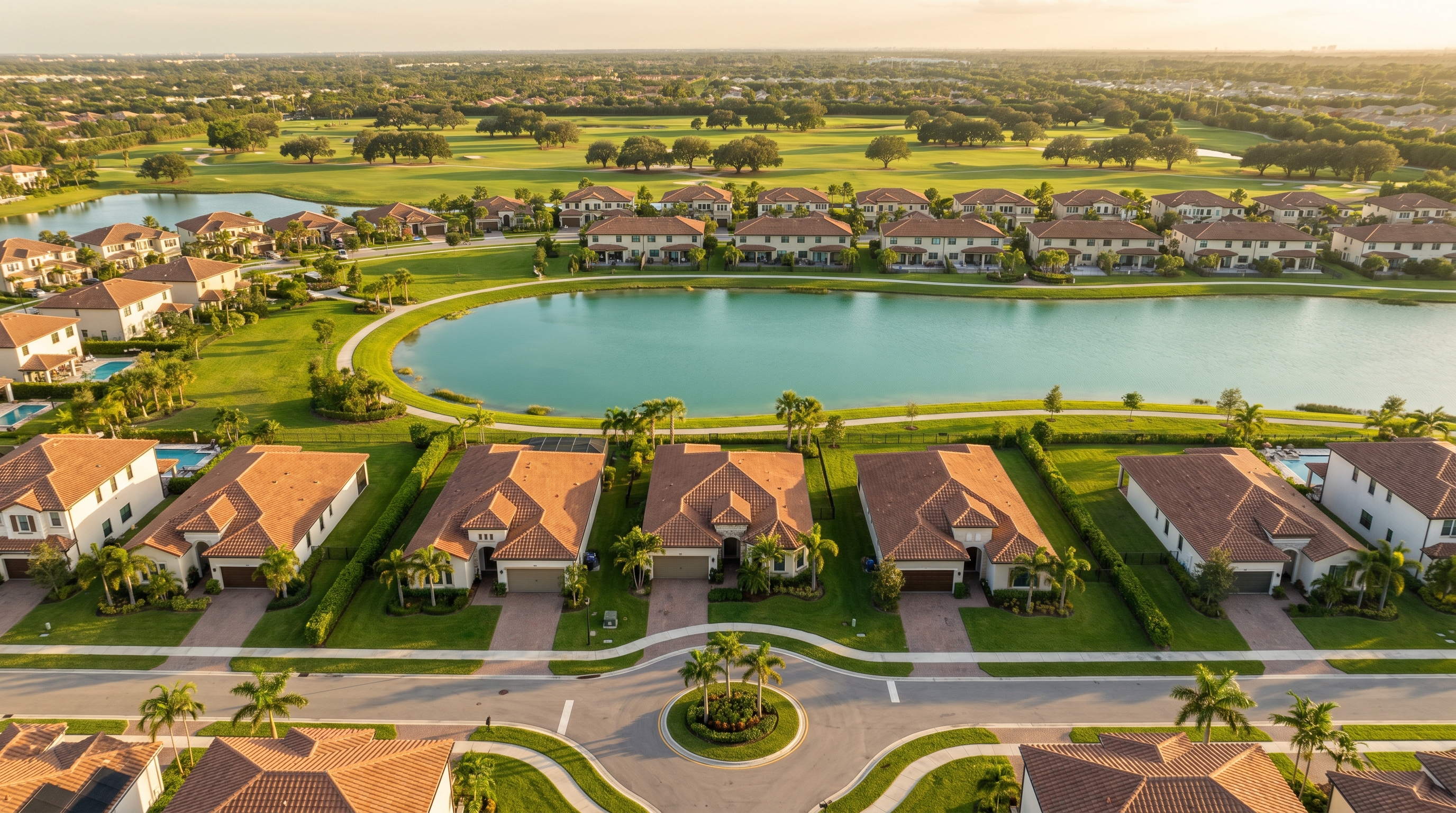
Single-family homes are pricier — the county median sits at $670,000, down 1.47% year-over-year, which means there is actually a little negotiating room right now. If you are coming from a Lincoln Park single-family or a North Shore home, your budget will stretch comfortably here, especially inland.
Miami Market Snapshot — April 2026:
- Median condo sale price (Miami-Dade): $450,000 (up 1.12% YoY)
- Median single-family price: $670,000 (down 1.47% YoY)
- Total active inventory: 16,622 units (down 11.4% YoY)
- Eighth consecutive month of rising home sales — total dollar volume hit $2.3 billion in April, up nearly 12% year-over-year
That last point matters. The "buyer's market" narrative from late 2025 is fading. Inventory has tightened three months straight and sales have climbed eight months in a row. If you are planning a 2026 move, the window where buyers held all the leverage is closing.
Pick the Neighborhood Before the House
This is the single biggest mistake transplants make. In Chicago, you think in terms of neighborhoods and the "L" lines. Miami works differently — it is a collection of distinct cities sewn together, and your daily quality of life depends almost entirely on getting this right.
A few honest matchups for Chicago transplants:
Coral Gables — If you loved the tree-lined, established feel of the North Shore or Oak Park, this is your landing spot. Mediterranean architecture, top schools, banyan-canopied streets, and a real downtown. It is not cheap, but it is timeless. I broke this neighborhood down fully in "Living in Coral Gables: The Miami Neighborhood Guide for Families, Professionals, and Business Owners."
Aventura — Think of it as the Gold Coast equivalent for families who want walkability, great schools, and proximity to both Miami and Fort Lauderdale airports. Condo-heavy, amenity-rich, very international.
Pinecrest & Palmetto Bay — Quiet, leafy, big lots, family-first. The closest Miami gets to a low-key suburban feel without losing the tropical setting.
Brickell — If you are a downtown-loving professional who wants to walk to work and dinner, Brickell is Miami's answer to River North, just with palm trees and a bay.
The Buying Process Is Faster — Be Ready
Chicago closings can feel slow and attorney-heavy. Miami moves fast, especially in a tightening market. Cash buyers are common, and a strong financing pre-approval is your ticket to being taken seriously. If you are buying before you physically relocate, you are far from alone — I wrote a full playbook on it in "How to Buy a Miami Home Sight-Unseen in 2026," and the process works beautifully when you have the right local representation handling inspections, video walk-throughs, and condo financials.
One Chicago-specific tip: do not skip the condo association financial review. Florida's reserve laws changed the game post-2024, and some older coastal buildings carry special assessments that can run into six figures. A good agent reads those documents before you fall in love with the unit.
Frequently Asked Questions
Q: How much do you save on taxes moving from Chicago to Miami?
A: Florida has no state income tax versus Illinois's 4.95% flat rate, so a $300,000 household saves roughly $14,850 a year on income tax alone. Add lower effective property taxes and the Homestead Exemption, and total annual savings often exceed $20,000 for higher earners.
Q: Is it cheaper to buy a home in Miami than in Chicago?
A: It depends on the property type. Miami's median condo price of $450,000 is competitive with Chicago's downtown condos, while single-family homes can run higher. The real advantage is no state income tax and Florida's Save Our Homes cap, which protects long-term owners from rising assessments.
Q: What is the best Miami neighborhood for families relocating from Chicago?
A: Coral Gables, Pinecrest, and Aventura top the list. They offer strong schools, established residential feel, and easy access to business districts — similar to what North Shore or Lincoln Park families are used to, but with year-round warm weather.
Q: How do I establish Florida residency for tax purposes?
A: File a Declaration of Domicile, get a Florida driver's license, register to vote, and spend more than 183 days a year in Florida. Most importantly, make Miami your true primary home. Consult a tax professional to time the move correctly relative to your Chicago home sale.
Whether you're buying, selling, or investing — I've got you. Let's find the Miami home that makes the move from Chicago feel like the best financial decision you've made in years.
Carlos Cabale / Partnership Realty Inc / +1 (561) 629-0358 / carloscabalerealtor.com