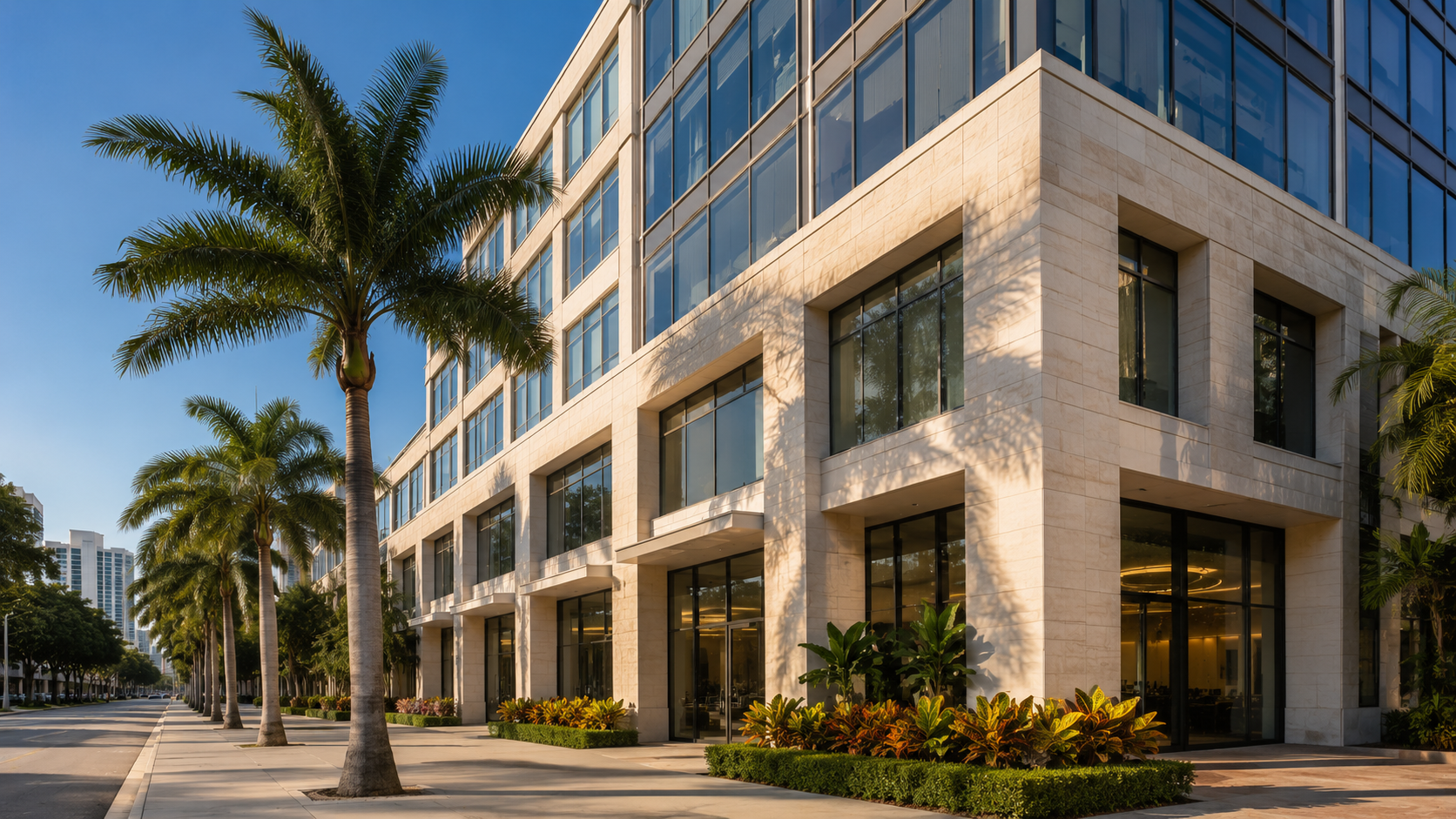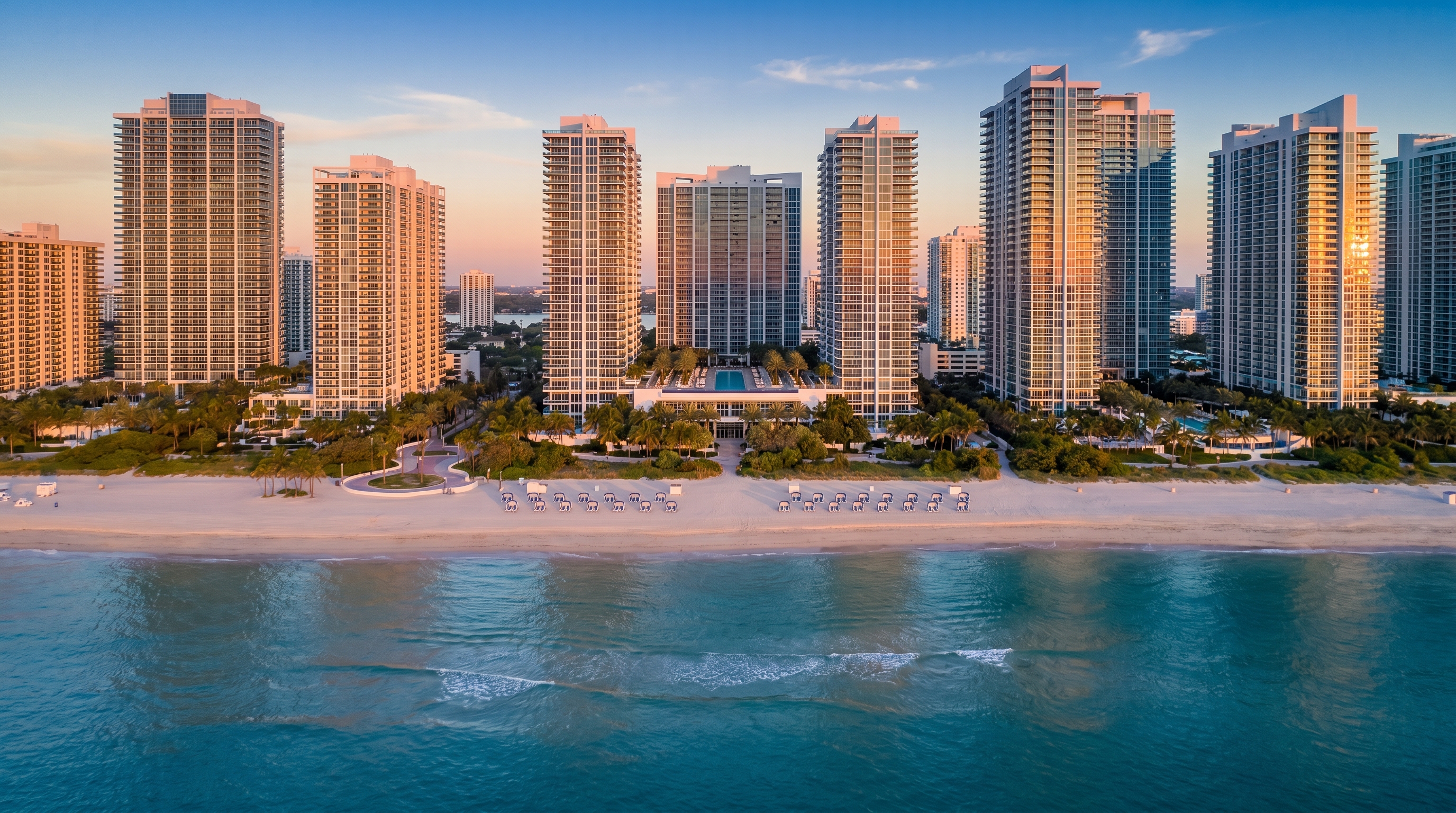


If you are buying a Miami condo in 2026, the most important thing you will inspect is not the kitchen, the view, or the closet space. It is the building's paperwork. Florida's condo safety legislation — the framework that followed the 2021 Surfside collapse — has fundamentally changed what it means to buy a condo here. And the buyers who understand it are protecting themselves from one of the most expensive surprises in real estate: the special assessment/.
I am Carlos Cabale, and I have walked dozens of buyers through this exact process. Let me give you the plain-English version of what the law requires, why it matters to your wallet, and the precise checklist I run before I let a client sign anything.
What Florida's Condo Law Actually Requires
Two requirements matter most to buyers.
First, the milestone inspection. Condo and cooperative buildings three stories or taller must have a structural inspection by a licensed engineer or architect once the building reaches a certain age, and periodically after that. The inspection has two phases — a visual phase, and if problems are found, a deeper investigative phase. The result tells you whether the building has structural issues that must be repaired.
Second, the structural integrity reserve study, often called the SIRS. Associations must commission a study identifying the major components of the building — roof, structure, waterproofing, plumbing, electrical, and more — and must fund reserves to pay for them. Critically, boards can no longer vote to waive or underfund these reserves the way they once did. The money has to be collected.
Here is why that matters to you as a buyer: those reserves are funded by the owners. If a building was underfunded for a decade — and many were — the catch-up cost gets passed to current owners through higher monthly dues, a special assessment, or both. Buy the wrong unit, and you inherit that bill.
Miami Market Snapshot — May 2026:
- Median sale price in Miami: $680,000 (up 3.8% year over year)
- Active inventory: approximately 7,054 homes, up 32% from a year ago
- Condo supply: roughly 13 months — buyers have more choice and more leverage than at any point since 2021
- A meaningful share of older Miami condo listings now disclose either a pending or recently levied special assessment — making document review non-negotiable
The Five Documents That Tell You the Truth
When I represent a condo buyer, I request these five items during the inspection and due-diligence period. If a seller or association cannot produce them, that itself is a warning sign.
1. The milestone inspection report. This tells you whether the structure is sound. If the building has completed Phase One with no major findings, that is excellent. If it is mid-repair or facing a Phase Two investigation, you need to know the scope and the cost before you commit.
2. The structural integrity reserve study (SIRS). This is the financial roadmap. It shows which major components are aging, what they cost to replace, and how close the reserves are to fully funded. A building with a current SIRS and healthy reserves is a far safer purchase than one scrambling to catch up.
3. The last two years of financial statements and the current budget. Look at the reserve balances and whether dues are rising sharply. As I explained in "How to Read a Miami Condo Building's Financials Before You Buy (The 2026 Buyer's Survival Guide)," the reserve line is where the real story lives.
4. Board meeting minutes from the last 12 months. This is the gossip column of the building's finances. Minutes reveal discussions about upcoming repairs, insurance problems, and assessments that have not been formally voted on yet — the ones that will not appear in any official disclosure.
5. The special assessment history and any pending assessments. Ask directly: has the association levied an assessment in the last three years, and is one being discussed? A pending assessment is negotiable in your purchase price — but only if you know about it before closing.
How This Changes Your Negotiation
Here is the good news. In today's market, with condo supply near 13 months, this knowledge is power. If the milestone inspection reveals work ahead, or the reserve study shows underfunding, that is leverage. You can negotiate the price down, ask the seller to credit you for the assessment, or require the seller to pay the assessment in full at closing. As I covered in "How to Negotiate a Miami Home in a Buyer's Market: 9 Tactics Sellers Hope You Never Learn," the buyer who comes armed with documents controls the conversation.
The mistake I see is buyers treating the assessment as a dealbreaker when it should be a price adjustment. A building that has already completed its structural work and funded its reserves is, in many ways, a safer long-term hold than one that has not even started. The work is done. The cost is known. There is no shoe left to drop.
The Buildings That Win
Not all Miami condos carry this risk equally. Newer construction — buildings completed in the last several years — was built under modern codes and is not facing milestone inspections yet. Well-managed associations that funded reserves responsibly are in strong shape. The risk is concentrated in older oceanfront and bayfront buildings that deferred maintenance for years.
This is also part of why so many Miami buyers are looking at pre-construction. A brand-new building has no deferred maintenance, no aging roof, and a fresh reserve schedule. If that path interests you, the trade-offs are worth understanding before you commit deposits.
The bottom line: a Miami condo is only as good as the building it sits in. The unit is what you see on the tour. The building is what you actually buy. Do the document work — or hire an agent who insists on it — and you will never be the buyer blindsided by a six-figure bill.
Frequently Asked Questions
Q: What is a milestone inspection for a Miami condo?
A: A milestone inspection is a state-required structural evaluation of condo buildings three stories or taller once they reach a set age. A licensed engineer or architect assesses the structure. The report tells buyers whether the building is structurally sound or facing repairs that owners will fund.
Q: Can a special assessment be passed to me after I buy a Miami condo?
A: Yes. Whoever owns the unit when an assessment is levied generally owes it. That is why reviewing board minutes and assessment history during due diligence is essential — a pending assessment can be negotiated into your purchase price before you close.
Q: Are newer Miami condos safer from reserve-law surprises?
A: Generally, yes. Buildings completed under modern codes are not yet due for milestone inspections and start with fresh reserve schedules and no deferred maintenance. That structural certainty is a major reason many Miami buyers are drawn to newer and pre-construction condos.
Q: What is a structural integrity reserve study?
A: A SIRS identifies a condo building's major components — roof, structure, waterproofing, plumbing, electrical and more — estimates replacement costs, and sets a funding plan. Florida law now limits an association's ability to waive these reserves, so the funding obligation falls to owners.
Thinking about a Miami condo? Don't buy a unit — buy a building you've actually vetted. Let's find your next property together.
Carlos Cabale / Partnership Realty Inc / +1 (561) 629-0358 / carloscabalerealtor.com