
This is the question I get asked more than any other, by clients ranging from twenty-eight-year-old tech founders to sixty-two-year-old retirees from New Jersey: "Carlos, should I buy a condo or a house in Miami?"
The answer most realtors will give you is some variation of "it depends on your lifestyle" — which is technically true and practically useless. So let me do something different and actually give you the real breakdown by the five things that actually matter: cost of ownership, appreciation, rental potential, lifestyle, and resilience.
By the end of this, you'll know which one fits you. And if you're still on the fence, I'll tell you exactly when to call me.
1. The True Cost of Ownership Looks Nothing Like the Listing Price
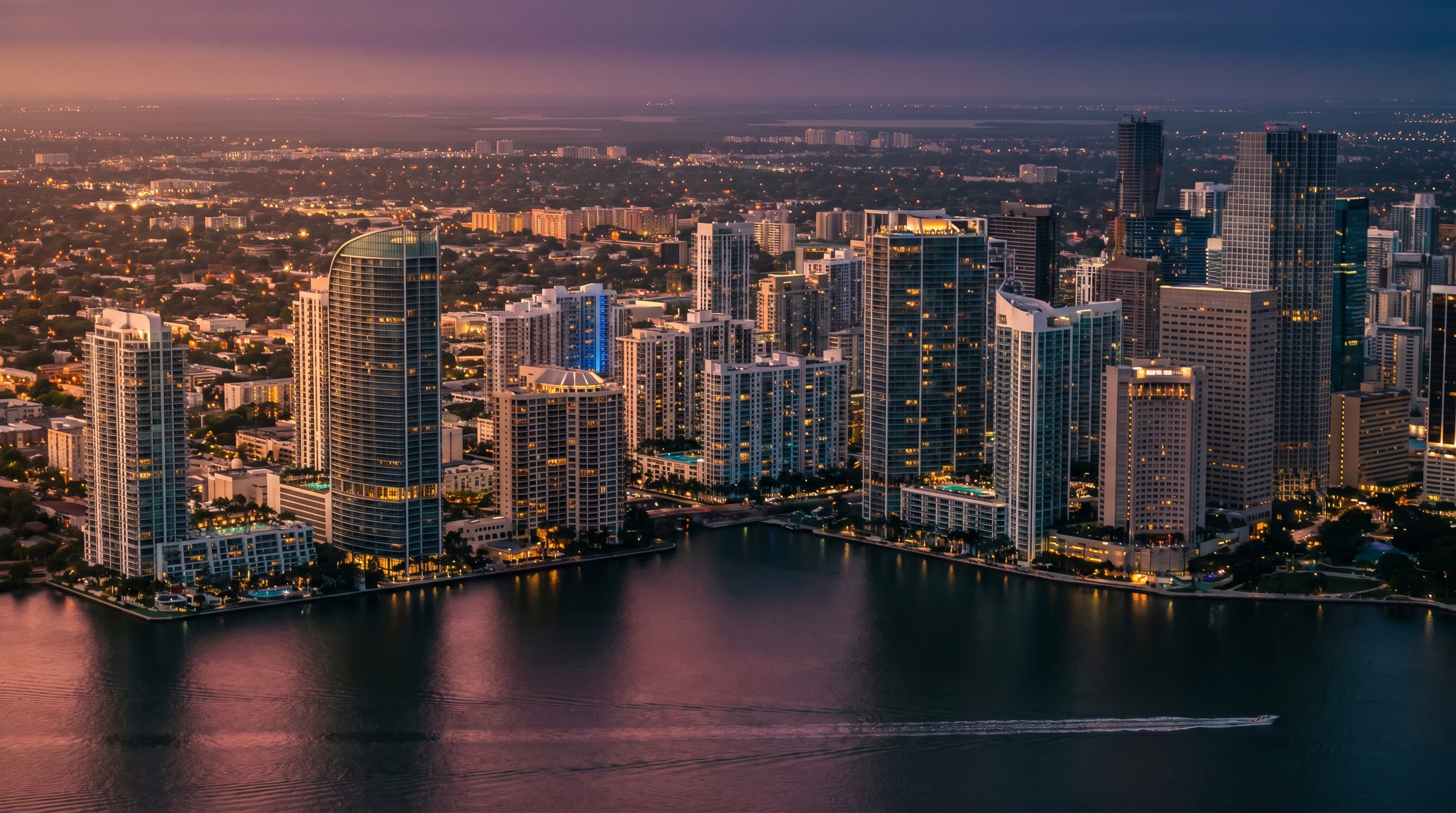
Here's the trap. Buyers compare a $950K Brickell condo to a $1.4M Coral Gables single-family home and think the condo is cheaper.
In year one, maybe. After five years, almost never.
A Miami condo's monthly carry includes a mortgage, property taxes, condo insurance (the unit only), and HOA fees. That HOA is the kicker. Post-Surfside reforms forced buildings to fund proper structural reserves and milestone inspections — Florida's Condominium Act overhaul triggered HOA spikes of 25–40% in many buildings between 2022 and 2025. Some are higher. A $1,200/month HOA in 2020 became a $1,800–$2,400 HOA today, and that's before special assessments for facade work, elevator replacement, or new amenities.
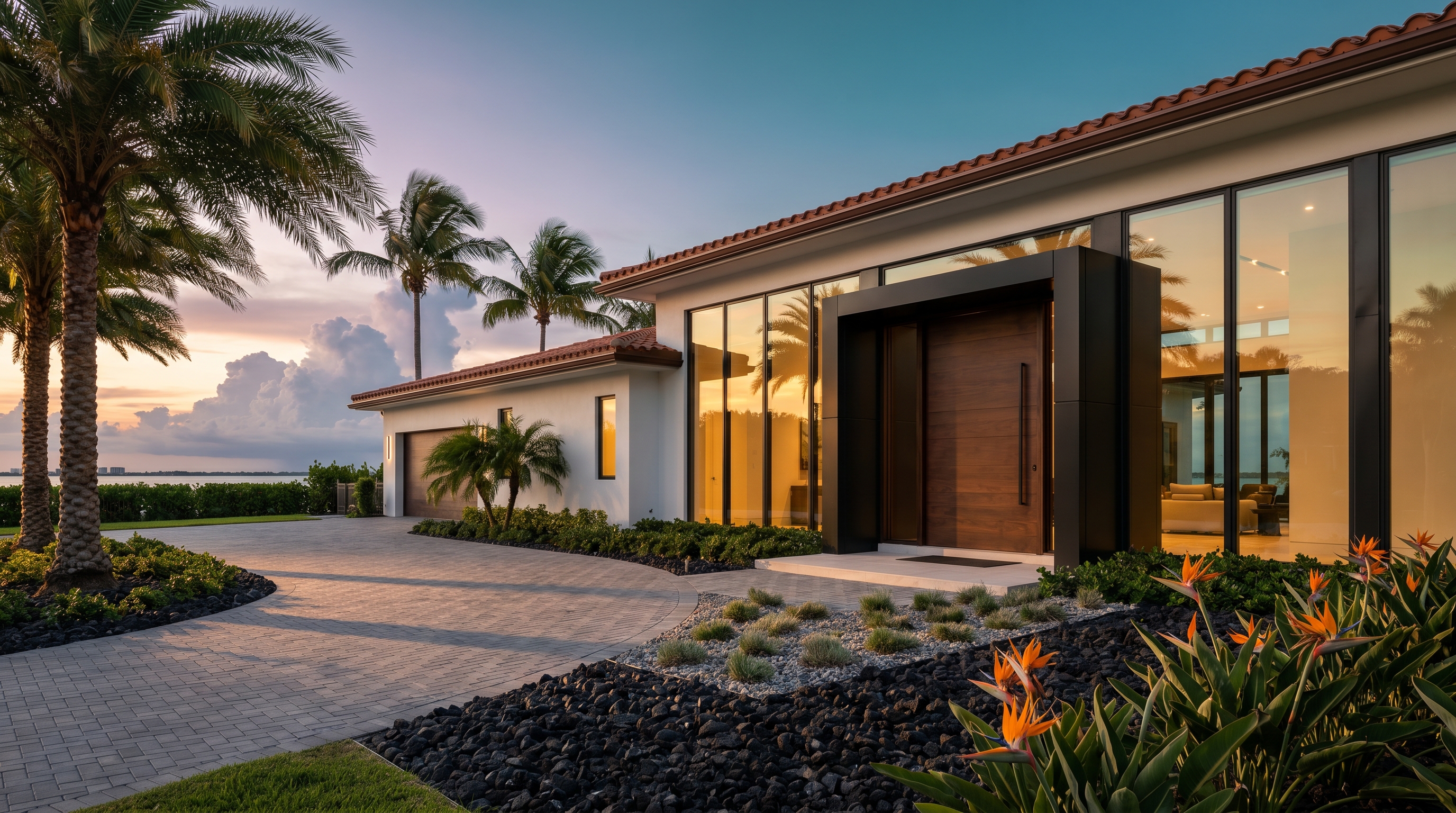
A single-family home has higher upfront taxes and insurance (especially flood and windstorm coverage in coastal zones), but no HOA — or if you're in a gated community, an HOA of $200–$600 covering landscaping, gate staff, and occasional roads.
The rule of thumb I use with clients: condos win in years 1–3 on monthly cost. Houses win cumulatively in years 5+, because HOA inflation compounds while the average house owner controls their own maintenance schedule.
2. Appreciation: Land Beats Air Most of the Time
Single-family homes in Miami have historically outpaced condo appreciation, and the gap widened during the post-2020 boom. The reason is simple: you can't make more land in Coral Gables, Coconut Grove, or Pinecrest. Condos can — and do — get built next door to you, diluting the supply story.
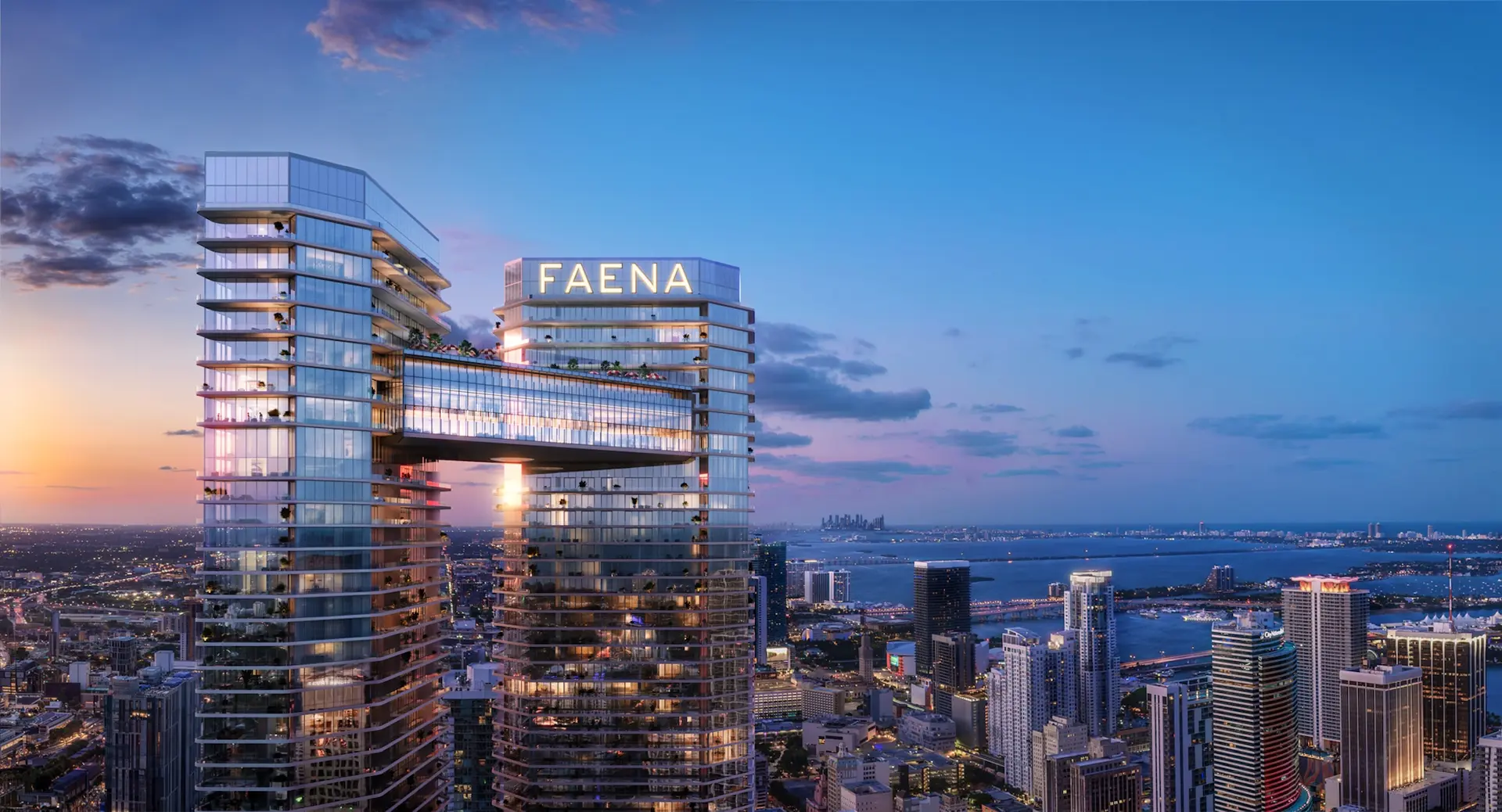
That said, the rule has exceptions. Trophy waterfront condos — Continuum, Apogee, Faena, Mandarin Oriental, the new ultra-luxury Brickell towers — have appreciated at rates that rival or beat houses, because they share the same scarcity dynamic land has. There's only so much oceanfront line, and only so many penthouses on it.
For middle-market buyers? Houses generally beat condos on appreciation. For trophy buyers? It's a wash, sometimes condos win.
This is consistent with what I covered in "Brickell vs Edgewater: The Honest Guide to Picking the Right Miami Neighborhood in 2026" — the more constrained the supply, the better the appreciation, regardless of property type.
3. Rental Income: This Is Where Condos Quietly Win
If you're buying with any rental component in mind — short-term, seasonal, or long-term — condos in approved buildings can dramatically outperform houses.
Why? Three reasons:
- Tourists and seasonal renters want amenities, not a yard
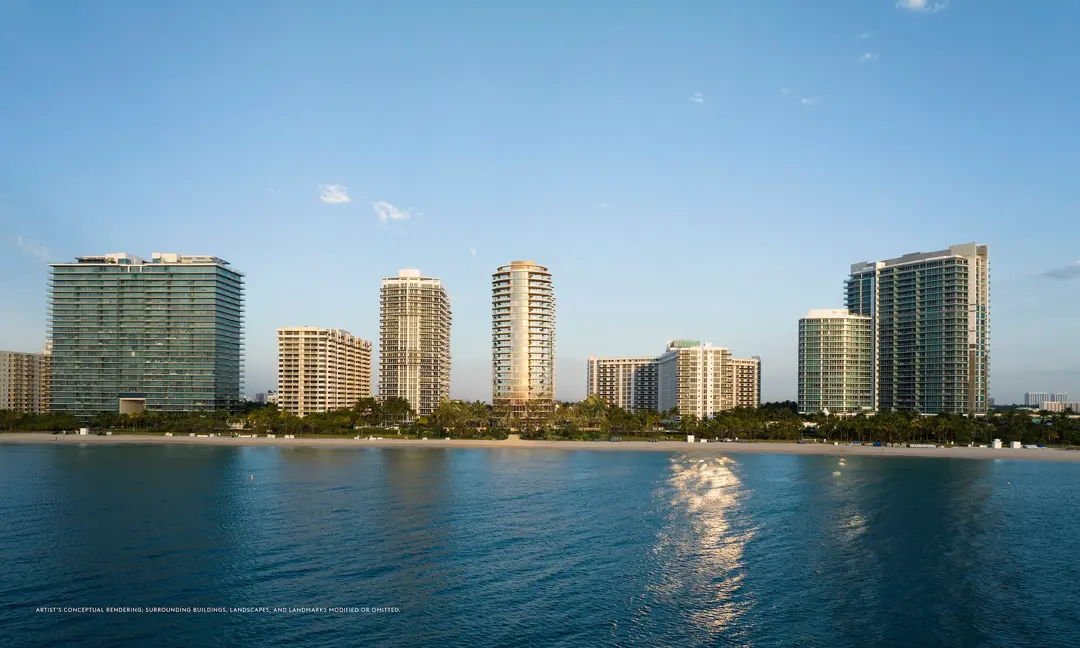
- Condo buildings that allow short-term rentals (like 7200 Collins, which I covered in detail in my recent breakdown of that tower) operate like quasi-hotels with valet, security, and gym access included
- Single-family rental is harder to scale and requires more active management
A well-located Brickell 1-bedroom can net 5–7% gross rental yield. A well-located 7200 Collins or Edgewater short-term-friendly unit can hit 8–10%. Try getting that on a Coral Gables house without converting to long-term tenants and dealing with active management.
If you're an investor first and a resident second, condos in the right buildings beat houses on cash flow. Almost every time.
4. Lifestyle: Be Honest About Who You Actually Are
I've watched too many clients buy the wrong property because they imagined a version of themselves that doesn't exist.
The condo buyer who actually thrives:
- Business owner who travels 30%+ of the year
- Empty nester or pre-family professional
- Investor who values lock-and-leave security
- Anyone who values gym, pool, and concierge over a backyard
The house buyer who actually thrives:
- Family with kids or pets
- Anyone who wants outdoor space, a pool of their own, room to renovate
- Someone who values privacy and noise control above amenities
- A buyer who wants land as a long-term store of value
If you're buying for an imagined future self, ask the harder question: what does my actual life look like in three years? That's the property you should buy.
5. Resilience: Hurricanes, Insurance, and the Surfside Effect
Let's talk about the elephant. Miami is a coastal city, and 2026 buyers are right to think about resilience.
Condos: Newer buildings (post-2015 construction) are dramatically more resilient than older stock. Impact glass, hurricane-rated openings, generator backups, and stricter post-Surfside structural inspections have transformed the new-build market. But older condos (1970s–1990s) face mounting reserve requirements and may need six- and seven-figure special assessments in the next decade.
Houses: Coastal single-family homes face direct windstorm and flood exposure. Insurance has gotten brutal — premiums in some coastal zip codes doubled between 2022 and 2025. Inland houses in Coral Gables, Pinecrest, and parts of Doral face much lower windstorm exposure and significantly cheaper insurance.
The resilient sweet spots in 2026: newer-build condos in Brickell, Edgewater, and Sunny Isles; or inland single-family homes in Coral Gables, Pinecrest, Coconut Grove (away from the bay), and West Doral.
Miami Market Snapshot — May 2026:
- U.S. median sale price (March 2026): $436,733 (+1.21% YoY)
- U.S. sales volume (March 2026): 427,358 homes (-1.65% YoY)
- Brickell new-construction trophy condo trades: setting record price-per-square-foot in 2026, with Mandarin Oriental penthouses at $49.9M each
- Florida condo HOA inflation post-Surfside reform: typically 25–40% above 2022 levels in older buildings
How I'd Actually Decide
When a buyer calls me undecided, I run through three questions:
1. Are you in Miami more than 35 weeks a year, or less? (Less than 35 → condo wins. More → consider a house.)
2. Do you have kids under 18 living with you, or planning to? (Yes → house wins almost every time.)
3. Are you buying to live in, to invest, or both? (Pure investor → condo in the right building. Pure lifestyle → whatever matches your daily life. Both → we run the numbers for each side and let the spreadsheet decide.)
That's it. It's not glamorous, but those three questions decide 90% of cases.
Frequently Asked Questions
Q: Is it better to buy a condo or house in Miami in 2026?
A: For most full-time residents with families, a house wins on appreciation and quality of life. For frequent travelers, investors, and business owners who value amenities and lock-and-leave living, a well-located condo in a strong building usually wins. Run the five-year total cost of ownership before deciding.
Q: How much have Miami condo HOA fees increased after Surfside?
A: HOA fees in older Miami condo buildings have risen 25–40% on average since 2022, with some older buildings seeing fee increases of 60% or more once reserve studies and milestone inspections are factored in. New construction post-2015 typically has more predictable HOA trajectories.
Q: Are condos a good investment in Miami right now?
A: In the right building, yes — particularly Brickell, Edgewater, and short-term-rental-friendly Beach condos that produce strong rental yields. Avoid older buildings without recent reserve studies, and look closely at HOA history and any pending special assessments before buying.
Q: What's the minimum down payment to buy a condo in Miami?
A: Most Miami condo lenders require 20–25% down for non-warrantable buildings (common in pre-construction and short-term-rental towers) and 10–15% for warrantable Fannie/Freddie-approved buildings. Foreign nationals typically need 30–40% down. Pre-construction deposits work differently and follow a developer schedule.
Let's find your next property together.